Unmonitored photo eyes
Sensors that are present but not monitored by the operator — so a failed sensor goes unnoticed while the gate keeps running.
An automatic gate can weigh over a thousand pounds and moves whether or not someone is standing in its path. We inspect Atlanta gate systems against UL 325 safety guidance and upgrade the protection that's missing.
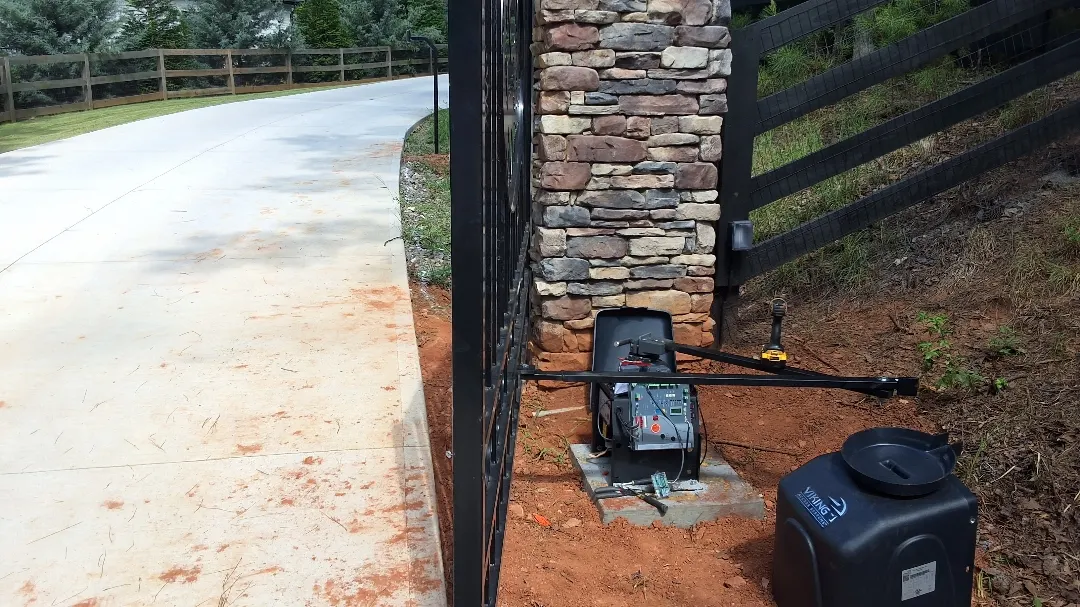
UL 325 is the safety standard covering automated gate operators. It defines how a powered gate must protect people from entrapment — including monitored external devices like photo eyes and edge sensors that force the gate to stop or reverse when something is in the way.
Plenty of gates in Metro Atlanta were installed before today's requirements, or have safety devices that were disconnected, painted over, or knocked out of alignment years ago. They still open and close every day — right up until someone or something is in the wrong place.
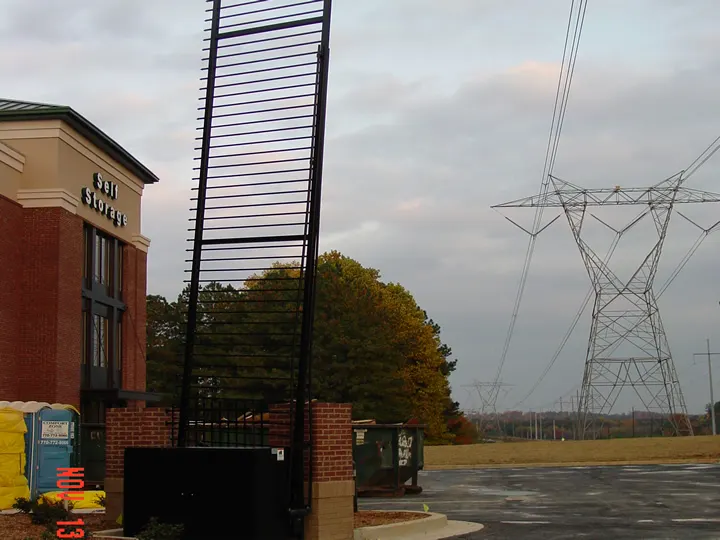
Sensors that are present but not monitored by the operator — so a failed sensor goes unnoticed while the gate keeps running.
Gates with pinch and crush points that have no contact sensor to reverse them when they meet an obstruction.
Gaps and travel paths where a person could be caught between the gate and a post, wall, or fixed object.
Older equipment that predates current entrapment-protection requirements and can't monitor modern safety devices.
Vehicular gates being used as walk-through entrances — one of the most common and most dangerous habits we see.
Safety hardware that's broken, disconnected, or wired around — leaving the gate running with no protection at all.
We evaluate your gate, operator, and safety devices on site, checking how the system actually behaves against UL 325 guidance.
You get a clear picture of what's protecting your gate today, what's missing, and which gaps matter most — in plain language, not jargon.
We install monitored photo eyes, edge sensors, and other protection where it's needed, then test the full system with you watching.
A note on compliance: we inspect and upgrade gate systems against UL 325 safety guidance, but requirements can vary by jurisdiction and property type. An inspection tells you where your system stands — it isn't a legal certification, and no contractor can guarantee code compliance on your behalf.
For HOAs, Multi-family communities, and businesses, a gate injury is more than a tragedy — it's an incident on a property you're responsible for. Knowing the state of your safety devices, and documenting that they're tested and working, is one of the simplest risk decisions a board or owner can make.
Based in North Atlanta and serving homes, businesses, and communities throughout the metro area.
Safety inspections and entrapment-protection upgrades across Metro Atlanta.